Author name: cgeyy

Safety Champion a proud partner of Australian Government’s Digital Champions initiative
Trending

Safety Champion a proud partner of Australian Government’s Digital Champions initiative

We’re pleased to announce our partnership with the Australian Government’s Department of Jobs and Small Business as a corporate partner for their new initiative.


Launched earlier this year, the Small Business Digital Champions initiative will assist 100 small businesses around the country to revolutionise their businesses using the power of technology.


“When small businesses are digitally engaged, they are 50 per cent more likely to be growing revenue, eight times more likely to be creating jobs, seven times more likely to be exporting, and 14 times more likely to be innovating new products or services 1.”


In collaboration with Deloitte, through guidance from a list of high-profile mentors (see mentors here), and alongside the support of tech corporate partners, like Safety Champion, the chosen Small Business Digital Champions will embark on a year-long digital transformation.


With tech solutions offered by in-kind supporters the businesses will be set to boost their productivity, reach, and effectiveness by adopting digital solutions, at various levels of their businesses.


The team at Safety Champion very much look forward to assisting these small businesses to embed our simple, smart technology within their business processes to make the digital management of safety the norm.


For more about the Australian Government’s Small Business Digital Champions Initiative go to, https://www.jobs.gov.au/corporate-partners

Leadership

4 reasons why bringing safety online is smarter sooner rather than later.

So, you’re thinking about bringing your safety program online. Fantastic! Of course, we’re going to say that, being a cloud-based safety software business. But our safety consultant brains also say the same, regardless of which safety software you choose to bring on board.

Why? Because whether it’s Safety Champion Software or another, online safety software systems can keep your safety program humming. And as health and safety consultants, we see this. One of the most common issues we hear from the businesses that we work with, is requests for ways, that they can keep their safety program on track.


After identifying what good safety practices look like for a business, the challenge is often how does the business establish a way to ensure that the relevant people perform the assigned activities, when scheduled?

– Craig Salter

Action OHS Consulting Director & Safety Champion Founder


Seriously, your safety program can see real and lasting benefits from streamlining your safety procedures with a cloud-based safety system to keep everything scheduled, ticking along, and improving at the same time.

Here’s a 4 reasons why it’s good for your business to bring safety online sooner rather than later:

The sooner you start, the sooner you can capture your data

We hear it all the time these days. Data-driven approaches, actionable insights, meaningful data analytics… these are all terms that float around our professional circles daily, regardless of your line of work. But seriously, data – more specifically, the data you collect in your own organisation, that aligns with your own challenges, your own needs – can really help you improve your safety program. Imagine if you could see trends in the types of incidents that were reported over the last 6 months at a simple click of a button. Or if you could see which department was lagging in terms of tasks completed over the last quarter, or you could see which task were generally harder to complete, so you could contextualise some training to assist.

These kinds of insights can be pivotal to ensure you are spending time, money and resources in the right areas – the areas that will really help increase the safety of your people.

The sooner you start, the sooner you’ll save money

Let’s cut straight to the chase. Think about the number of hours you or your people spend trying to keep safety on track; reminding people to perform that safety task; following up on the paperwork for that reported incident or corrective action; chasing up the last time your workers completed that training, looking through the filing cabinet for the record of that certification; or, preparing reports for departments, regions or the organisation, etc., etc. Well, all that time means money. And all that time could be used for more important things like “doing safety” rather than “doing admin”.

Online safety software – when it’s done right – with save you a crazy amount of time as automated reminder emails are sent to the relevant stakeholders to remind them of upcoming task, whilst at the same time escalating notifications to management if tasks are not completed; all records are a click away and can be accessed in no time, ready for easy download; pre-programmed workflows allow real-time visibility of the status of your safety program to management, ensuring that your safety program is managed both now and in the future; or, reporting is always available, in real-time and most importantly accurate– nothing forgotten. Given our software generally offers a payback period of between 6 and 10 months, it’s clear that online safety software will save you time, concern, worry and importantly money.


Furthermore, as a manager, how do you monitor implementation, without creating unnecessary administration, or moving down a pathway of micro-management?’

– Craig Salter

Action OHS Consulting Director & Safety Champion Founder


The sooner you start, the sooner you’ll know what’s going on

We don’t mean to scare people when we say this, but as a business owner or person in charge, you have a legal duty to provide a safe workplace for your people and anyone who visits your workplace. And when reviewing the legislation more closely, it’s clear that you must have current knowledge of the safety hazards in your workplace; and be able to demonstrate what you are actively doing to mitigating the risk associated with those hazards.

So, safety software doesn’t only make sure that things tick along, it gives business owners and managers clear, real-time oversight of the whole safety program, whenever, wherever. So, since it’s a legal requirement that you know what’s going on, should the Safety Regulator come knocking, a cloud-based safety software system is just the thing to give you a one-stop-shop to: direct, review and oversee your entire safety program.

The sooner you start, the sooner your people will thank you

Trust us. They will thank you. They are sick and tired of trying to get people enthused about completing safety tasks, following the procedures, or keeping up with their owning training and documentation. They are also over how hard it is to let the right people know that there is a safety hazard that really needs to be addressed, and today. “Who do I tell? Where is the form again?”. “Why should I bother telling them, last time they did nothing”.

Thankfully, online safety software systems have been designed to make things easier, faster, communicate more broadly, and be more streamlined for everyone involved. It’s easier for the people behind your safety program, for you, and for the people that your safety program is there to protect – all workers and visitors! Safety Champion, for one, is a system we made specifically to simplify the process so that it will no longer be a chore to get involved in safety, it will be something that simply becomes ‘what you do’ – business as usual! Just imagine.

So, if after reading this, you want to get an online safety management software system up and running sooner rather than later, contact us. We’d love to take you through ours – we’re darn confident it’ll help.

Leadership

A simple 5-step process to your safety management system…

We’re not going to beat around the bush. There’s the long-winded, jargon-clad explanation for how important safety management systems are, why you need them, the health and safety legislative requirements you have as a business owner, your moral obligations, etc, etc. And all that stuff is true. But there’s also a simpler and more straightforward way of looking at it. That is –


A safety management system is just an elegant name for what your business actually does to manage and mitigate safety risks to your people at work.


That’s it. Pretty clean and clear now right?


And we’d argue that it’s important to break it down into this simplistic way of looking it, and keeping this in mind as you build out and improve your safety management system.


Why? Because – without knowledge of what good can look like, safety just has a special way of becoming very complex and complicated within businesses as they try to do more and the more to address things – we see it time and time again. When actually, the reality is, that if you manage and mitigate the safety risks effectively, you’ve nailed it.


So, how do you manage and mitigate the safety risks effectively in a comprehensive and effective safety management system? Here’s a nice clear process:


1. COMMIT TO IT –

This is first on the list because, quite frankly, without the explicit commitment from management teams to any safety efforts, no matter how good the intention was, it never really quite works. So commit to it and, importantly, show your commitment to your people at every level and often.


2. PLAN IT –

Think about all the things you want to address when it comes to the health and safety of your people. Write it down. If you don’t know what you want to address – ask your team! Or start with common injuries and hazards for your industry – read this blog. Then when you’ve got a pretty robust and comprehensive list, prioritise the issues, putting the most hazardous first and determine how and when you will address these.


3. DO IT –

It can be tricky to ensure the implementation of your plan happens, and continues to happen – this is why you should write it down. It is likely that you’ll need to delegate tasks, provide deadlines, and make sure your people are trained, ready and willing. Read more on how to encourage greater buy in from your team here.


4. CHECK IT –

Set up regular check-ins to make sure you are on track with your plan. This part is about monitoring what you’ve done, looking at the data, and evaluating how well you did. Or even whether you can do it better another way next time.


5. DO IT AGAIN –

You’ve likely heard of the continuous improvement cycle when it comes to safety management systems? Well this is that integral part to it all. You must repeat this process over and over again. This is simply because things change at work – the hazards may change, your people may change, the legislation may change, etc. Remember there is always something you can improve upon when it comes to health and safety.


To be perfectly honest with you, a safety software like Safety Champion was made (quite literally) for this kind of thing – to help you to keep the planning, doing and checking of your safety management system on track and moving effortlessly. We promise it’ll help. It will make your safety program effortless (compared to the alternative), efficient and sustainable.


Remember, if you get lost – just keep bringing it back to this; “What we are really trying to do is manage and mitigate risk to people in our workplace.” That’s it. Keep it at the forefront of everything you do and you’ll be in a good place.


Looking for more detail on Safety Management Systems? Review our past blogs:

Safety Management Systems: A comprehensive overview


Leadership

The [very real] value of an effective incident reporting system

Any safety professional or scholar will tell you one of the core components of an effective safety management system is taking on a participatory approach[1]. Why is this so important? Because it’s your workers themselves who will likely be coming across safety hazards and risks in your workplace as they go about their day-to-day work.


And since they are the ones you’re liable to protect from harm, it’s a good idea to hear what they have to say, and to encourage them to actively participate in your safety management system.


One important way your people can and should participate in your safety management system is through the regular and accurate reporting of incidents. This includes everything from ‘near miss’ incidents – read our blog on what those are here if you are unsure – through to the more serious incidents that we all wish never happened.


Isn’t it a bad thing if my staff are reporting incidents?

You may think it’s a negative thing to encourage your people to report incidents regularly. And you may worry that having many reported incidents may reflect poorly on your business. But – trust us – encouraging regular incident reporting is in fact a very, very good thing.


This is because effective incident reporting processes will ensure that you receive very real, relevant and valuable data – specific to your workplace – about the hazards that have the potential to cause harm to your workers, and any visitors to your workplace.


And this data can be used to help you know what to focus on when it comes to making your workplace safer. Which is exactly what you are tasked to do under the health and safety legislation. Plus, having a solid and demonstrable incident reporting system or process in place is also a requirement of the legislation.


There is real value in having an effective incident reporting system that all of your staff can actively participate in. Data from the incident reports will guide you to the hazards are that you should be addressing, and advise if current controls you have in place might be falling short in effectively reducing risks.


It will inform you of the real operational hazards, rather than the ‘hazards as imagined’ in the office.


Review our plans – all inclusive of easy incident reporting!


What about my legal requirements with incident reporting?

And legally speaking, it is a requirement for you to have an incident reporting system to collect and collate your incident data, so that you can identify trends over time. This becomes powerful when you can start to dive into what’s really going on in specific work areas or departments within your business; age- or work-history profiles of you workers; or root causes.


This kind of data analysis and reporting will actually help you step back from the management and investigation of single incidents and see the bigger picture. And it’s this bigger picture that can help guide your whole safety management system towards reducing the number of incidents, reducing the severity of incidents, and boosting the overall impact of your safety management system.


It can support the procurement of new equipment, or ensure procedures are review more meaningfully.


Needless to say, Safety Champion Software can assist you with both an easy-to-use and customisable incident reporting form that everyone in your business can use, and powerful reporting so that you can gain insights from incident reporting trends. Take photos when reporting on your phone at the incident site and upload attachments at will.


Contact us if you would like to hear more or check out our incident reporting module. We have developed our incident reporting module so that you can customise your own questions and response fields, so you won’t need to give up on that content that is super specific and important to you.


[1] Gallagher, C, Underhill, E & Rimmer, M 2003, ‘Occupational safety and health management systems in Australia: barriers to success’, Policy and Practice in Health and Safety, vol. 1, no. 2, pp. 67-81.


Photo by rawpixel.com from Pexels – Thanks!

Leadership

Safety just won’t happen without effective leadership

Some have argued that leadership may be almost the single most powerful component of workplace culture[1]. Therefore, it follows that effective leadership is also important for safety practices to function at their best. We’ve found this to be pretty bang on. Our consultants often find that a poor workplace culture and poor safety performance, usually goes hand-in-hand with poor leadership.


While, this may be obvious to some – it isn’t to all. Often it can be organisational leaders themselves who are not acutely aware of their pivotal role in developing the workplace culture that promotes a safe work environment. So, if you’re a leader and thinking “Geez, I gotta get onto this” – or if you play a bit of an influential role with the leaders in your workplace – read on to learn how leaders can better promote a stronger safety culture.


demo-safety champion


Just why is leadership so important in building a strong safety culture?


Well, it’s the actions of leaders that set a personal example for desired workplace behaviour. Leaders can be very influential when they are seen by workers to follow and promote established safety rules, policies, procedures and standards.


Wise words from a safety guru:


“Top management must be committed to excellence and drive the agenda by establishing a vision, values and goals.”[2] James Meville Stewart, author of Managing for World Class Safety.


Wise words from one of our gurus:


“What interests my manager, fascinates me.” Craig Salter (most likely paraphrased from somewhere on the internet).


What do leaders need to succeed in building a strong safety culture?


  • Leaders must possess both the desire to act and a clear understanding of the specific behaviours that lead to excellent safety performance.
  • Leaders should focus on determining and then representing the values and behaviours required to strengthen workplace practices.
  • Leaders must not only say the right things, they must actively drive the development, implementation and enforcement of safety management systems to keep it moving.
  • Leaders should seek advice from safety professionals to guide and advise on an evidence-based approach to health and safety management, suited to their business.
  • Leaders should be involved in safety meetings and regularly include safety in their conversations and communications.


So if you are adopting the “do as I say, not as I do” approach to safety leadership – you are way off the mark. Chances are, you’re not developing a culture. Even if you are punishing those workers caught working outside “your rules” and even if they are appropriate controls in and of themselves, it simply won’t bring about the culture you are after you if you don’t adopt the rules yourself.


Put simply, if you don’t need to follow the rules, why should others?


As a leader, just how do you change safety culture for the better?


Whilst it is usually found that an organisation cannot change the core beliefs of the individuals within it, an organisational leader can certainly change the core culture of the collective. This is done by not only saying, but also doing. This is done by leaders adhering to the rules they lay out for everyone.


They must exemplify the change they wish to see in the workplace.


If in reading this, you are thinking “I need to do better” or that the leaders in your organisation need to do better, you’re probably right. Because, after all, all of us have the right to come to a workplace that protects our health and safety. The ignorance of leadership in your organisation may indeed be negatively affecting you, your colleagues and the leaders themselves.


And if you need a little help with implementing a health and safety management system to work alongside your strong safety leadership, contact us today!


[1] Simon, S.I. and R.A. Carrillo. Improving Safety Performance Through Cultural Interventions. In Safety Health & Asset Protection: Management Essentials, R.W. Lack, 2nd Edition. Boca Raton, FL: CRC Press, 2002.

[2] Stewart, J.M. Managing for World Class Safety. New York. John Wiley & Sons, 2002.


Leadership

Why we should all support diversity in the workplace…

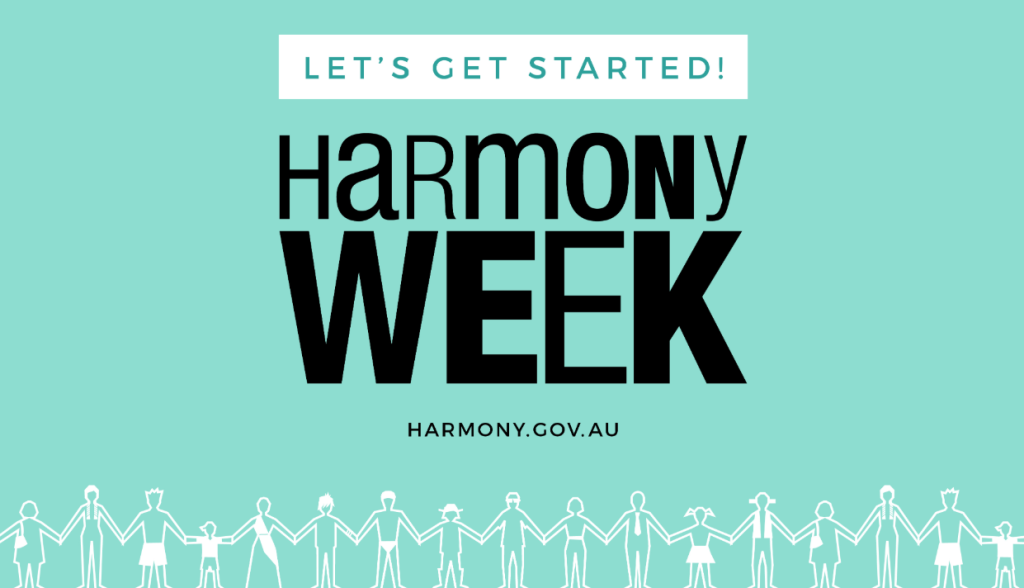
This week is Harmony Week in Australia. What used to be a single day – Harmony Day held on 21 March to coincide with United Nations International Day for the Elimination of Racial Discrimination – is now a whole week of celebration of Australia’s cultural diversity, inclusiveness, respect and a sense of belonging for everyone in our community. With recent events, this week is sure to hold great emotion for some amongst us.


This year’s Harmony Week got us thinking about diversity and equality in the workplace. We like to think of ourselves as a pretty inclusive and welcoming sort of workplace – it’s something that we really love about working at Safety Champion. But what does it even mean to be diverse in the workplace? And how important is it for your business?


Employee diversity is increasing more and more. Of course – once upon a time – women, people from varying ethnic or religious backgrounds, or people with disabilities, to name but a few, did not find it easy to secure a position in the workplace. Thankfully, now, things have changed – and are continuing to change! Whilst we have come a long way, we know that more can be done.


We did a bit of research to discover what’s so good about this change. Here’s what we found – some pretty strong reasons for assuring you have diversity and equality on board in your workplace;


With greater workplace diversity comes more innovation and creativity.

People from different walks of life bring new perspectives and ideas to the table. These perspectives can improve the way your team works together and the service or product you deliver. Such improvements are simply good for business.


With greater workplace diversity comes opportunity for better and wider customer or partner interactions.

With greater diversity in your team, it’s possible you’ll open up a conversation with people you might not have otherwise. Additionally, your service or product might change for the better to incorporate or accommodate more diverse customers and partners.


With greater workplace diversity comes opportunity to learn tolerance, flexibility and adaptability.

Trust us, when your people can cultivate these things, they will be happier at work. And in general, for that matter. You’ll find the opposite of these three traits in almost every miserable person on the planet. And happy staff means lower staff turnover and lower costs on recruitment. Yay!


Workplace diversity is not only good for business – it’s good for people. We can all get something amazing out of increased diversity and inclusiveness. So, next time you are recruiting stay open to diversity and inclusiveness.


And if you’re already in a pretty diverse workplace – think about how you can learn more about each others culture this Harmony Week. You can even hold a public or private event and register it here. We already have – our office lunch in the park this Thursday! We think we might do a “pot luck” lunch, where we can each bring a plate of food that has meaning to us, to provide an opportunity for greater conversation.


Learn more about Harmony Day here: https://www.harmony.gov.au/

Insights

What on earth is a near miss? And why should I care…


To make this terminology slightly more accessible – a ‘near miss’ could simply be called a ‘close call.’ It’s any time that someone in your workplace might have narrowly avoided injury or harm. Sounds like an ok outcome, right? An injury avoided! Great, let’s get on with our work. But actually near misses are worth a closer look.


It may sound laborious and you are probably thinking, ‘Of course, the health and safety people want to investigate that near miss further.’ Perhaps you think this may be a waste of time, effort and money. After all, no one was hurt. But actually near misses – from a safety management perspective – are gold. Why? Well, not only did no one get hurt (yay!) but they are also brilliant opportunities to learn about the hazards and risks in your workplace.


What’s our advice about how to use near miss data?


Essentially, as a business owner or a manager, you are trying to create a workplace that means your people will go home every night happy, healthy and in tact. This means, you need to recognise possible hazards and reduce the risk of injury and harm. So, it’s worthwhile starting to look at near misses as great indications of what hazards need to be addressed to improve safety in your workplace.


Start to build a culture of reporting near misses. If near misses are reported and then properly addressed, you are doing your job to protect the health and safety of your people.


It’s also important to note here that an organisation may be prosecuted in the case of a near miss. Yes, this can be the case even when no one has been injured. Why? Well, in some cases it may be deemed negligent of an organisation to have exposed people to risk – whether the likelihood of that risk is high or low. So, even more incentive to get your people in the habit of reporting near misses.


So how can you promote and improve your near miss reporting?


  • Explicitly ask your workers at team meetings of near misses or close calls that they have been involved with, and
  • Make ‘near miss’ reporting clear, simple and easy! Not sure how? Consider implementing a health and safety software program like Safety Champion. Safety Champion will allow workers to report near misses, and ensure that these are communicated to key stakeholders in the business to manage.


Once you start to get workers reporting ‘near misses’, don’t forget to establish controls to ensure that the likelihood of the ‘event’ occurring again in the future is reduced. Once you have reduced the potential impact of the hazard, then, you are doing your job – and doing it really well. See – near miss data is awesome and can really help you build a stronger safety management system.

Insights

The Juggler Part 3: Training the Juggler

In many organisations, the Juggler is your “Safety Champion” – the person that keeps workplace safety on track and moving. Remember, the Juggler is the person, typically in smaller and medium sized businesses, who has been allocated the responsibility of ‘managing’ safety, in addition to their ’employed’ role.


As a result, the Juggler has often not completed formal safety training, which then impacts their ability to effectively manage your businesses safety program. In this article, we thought we’d share some of the training options that can help you give the Juggler the right skills to effectively do their job.


There are a few formal training course options:

  • The Health and Safety Representative (HSR) Training course – This course imparts extensive knowledge relating to consultation (through representation), legislation and incident investigation. However, areas such as risk management, technical knowledge, training and safety communication are also covered. The course varies from state to state. In Victoria, our sister-company Action OHS Consulting offer this course. Click for more.
  • The Certificate IV or Diploma in WHSThese courses address the skill needs of the Juggler but completion times are long – up to twelve months. Check with your local TAFE or RTO to see if they offer these courses.
  • For Queenslanders – WorkCover Queensland recognised a gap in training for the Juggler and has reintroduced training for the Work Health and Safety Officer (WHSO). The WHSO training provides knowledge in risk management, training implementation, and incident investigation skills.


Effective training and development solutions for the Juggler should include the following skill areas:

  • Understanding the legal and regulatory health and safety requirements –what does the law require you to do?;
  • Developing an approach to identify and manage risk (with a focus on serious risk);
  • Developing technical knowledge on areas specific to your organisation. This may include manual handling or ergonomics, hazardous chemicals, work at heights, etc;
  • Development of ‘communication’ and ‘influencing’ skills. Safety challenge’s often arise as a result of ineffective communication; and/or
  • Responding to incidents, and identifying strategies to conduct investigations, to best ensure that reoccurrences do not occur.


If formal training is not an option right now, or it’s something the Juggler at your workplace already has under their belt (yay!), the Juggler can also receive support by:

  • Subscribing to safety updates from their local regulator and Safe Work Australia.
  • Establishing a relationship with a certified safety professional. Think of this like how a bookkeeper maintains the company financial accounts on a day-to-day basis, but calls in certified Accountant for technical advice. Safety professionals can provide technical insights and advice when the Juggler requires specific safety assistance.
  • Adopt safety software – like, say, Safety Champion! Safety Champion will help you plan, and then guide and direct the Juggler to what they need from everyone else in the organisation. It helps everyone in the organisation understand their responsibilities and accountabilities, and means that the Juggler won’t have to police the implementation of your health and safety program. Often, this administration takes time, and policing is not fun, so it is not hard to see why this part of safety management is where the wheels often fall off.


Don’t forget – the Juggler is playing a super important role within your workplace. So show your love by giving them access to effective development options and support.

Check out the other blogs in “The Juggler” blog series:

Part 1 – Who is the Juggler

Part 2 – Show your support to the Juggler

Insights

What on earth is psychological safety?

So, psychological safety. Maybe you remember that a few years ago Google released their findings about what makes the perfect team following some internal research. It was pretty big at the time. But in case you missed it, what they found was that ‘psychological safety’ was not only the most important factor of a successful team, it actually underpinned all the other factors.


Psychological safety is the understanding that members of a team will not be punished or humiliated for speaking up with ideas, questions, or concerns, and even admitting to mistakes or shortfalls. It is all about ensuring that team members feel comfortable and safe in taking risks and even feeling vulnerable on occasion around each other.


To put it into practical terms, think of the poorest team you have been part of – this may be in a work, sporting or personal relationship context. Maybe it was an absolute drag to meet with them. Maybe you felt like you were never going to achieve what you set out to achieve as a team. Or maybe there might have even been conflicts amongst the team members.


If you’ve experienced anything like this, it’s likely – according to Google’s research – that the team wasn’t psychologically safe. This is what prevents a team from thriving.


So, how do you go about getting psychological safety in a team?


Well, whether you are a manager or coach, a facilitator, a team participant or partner, the advice is largely the same;


  1. Be open to new ideas
  2. Respect those in your team and their views
  3. Listen without interruption


This, put simply, is treating others as you’d like to be treated yourself! Easy yeah?


And we think – like Google – that psychological safety is a critical factor when it comes to strong workplace health and safety. After all, if people don’t feel they can speak up about what’s making them feel unsafe, how can you go about fixing it and preventing injury or harm?


Here’s a link to that Google work on psychological safety that we mentioned earlier.


Some other useful articles along these psychological safety lines:

https://safetychampion.digitallink.com.au/should-i-be-worried-about-my-staff-being-bullied-at-work/

https://safetychampion.digitallink.com.au/5-things-we-do-to-keep-our-team-happiness-level-on-a-high/

Insights

The silly season is upon us…

Santa suits, party buses, free-flowing bubbly, finger food, high heels and party hats, end-of-year toasts, marquees, dance floors…


This time of year certainly is a lot of fun.


It’s the time we get to let our hair out with our colleagues, peers and mates to celebrate the year and look forward to the year ahead. But as a business, it’s important to know how you can keep your people safe during the silly season.


After all, workplace health and safety responsibilities still apply at workplace-endorsed events. And businesses may even be liable for any employee injuries that occur before, during or after a workplace function.


Suggestions for keeping it safe, healthy & happy


Think about possible things that could go wrong and come up with some ways you can mitigate the risk of them occurring.


Examples are;


  • Uninvited and unwelcome guests could easily enter the venue if it’s a function room of a public bar, for example. So, getting security at the door could prevent this from happening.

  • Cuts from glassware might occur if there is a strong potential that they may be dropped. So can you provide plastic cup, cans or bottles?

  • If the event is being held outside or somewhere outside of your workplace, think about how first aid incidents be managed? Don’t limit yourself to injuries, could there be allergies? Take a first aid kit with you!


Need safety software, free of charge? Use our Safety Champion Light.


  • Let your people know what behaviour you expect. Formalise it. Send out an email, or bring it up in the next staff meeting. Talk about the disciplinary consequences that may take place if behaviour doesn’t align.

  • Clearly set out defined start and finish times for the event and ensure that these are stated on the invitation. Note that if a manager throws their card behind the bar at a different venue, so the party can continue, it is likely that this will be seen as a work-sanctioned event.

  • Ensure that your people can get safely to and from the venue. In some states, workers compensation obligations extend to the journey to and from work – in this case, ‘work’ is the company-endorsed event.

  • Consider restricting the amount of drinks, or the “strength” of drinks that are available. Always have non-alcoholic alternatives available. This could even be fun! Like offering a refreshing ‘company-branded’ mocktail part-way through the event.

  • A meal or finger food can slow down alcohol consumption, so ensure you have enough! Nobody enjoys an event when the food runs out early either.


And we wouldn’t be good health and safety people if we didn’t also suggest you have a bit of a debrief after.


Pop a meeting in your calendar for the event organisers to meet post-the-event to discuss how everything went. Document ways that things could be improved for next time!


That’s it from us – have an awesome, fun and safe silly season!


Scroll to Top

Sales Enquiry

Clayton Scott
Sales Manager

Let's talk about safety
in your business.

“If you’re looking for a partner who understands the safety landscape and can help you implement scalable, compliant, and practical solutions, let’s start a conversation. I’d love to hear about what you’re working on and how we can help.”

Contact Us