Author name: cgeyy

Insights

Leading the Change: Women in leadership in the Tech and Safety industry

Accelerating Action for Women in Safety Champion

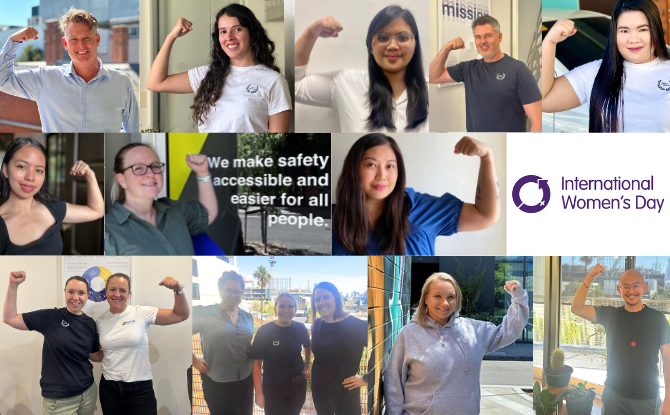
At Safety Champion, we believe accelerating action isn’t just a theme for International Women’s Day. It’s a commitment we live by every day. As we celebrate #IWD2025, we recognise the incredible women in our team who are driving change in the health and safety industry.

Through leadership roles in Project Management, Customer Success, Marketing, and our Dev Team, they shape the future of safety, technology, and business excellence.

It’s not all about hard work

Life-Work Balance at the Core 

At Safety Champion, we understand that true equality comes from supporting our team holistically. Our core value of Life-Work Balance ensures that all employees have the flexibility they need to manage both their careers and personal commitments.  

 Megan Drysdale, Head of People, explains how flexible hours and a culture that prioritises well-being help us empower our team members to thrive in all aspects of their lives. 

\"\"

Megan Drysdale

/ Head of People

Flexible working arrangements, including hybrid work, allow our team members to balance their careers with personal commitments. We prioritise well-being through a culture that encourages mental health support, open conversations, and realistic workloads.

Our ‘We Share’ Profit Share Program ensures that all employees feel valued for their contributions, reinforcing our commitment to a workplace where people can perform at their best—both professionally and personally.

Education and Skill Development 

Continuous learning is key to growth. We provide access to high-quality education and training, ensuring our team remains at the forefront of industry trends. Whether it’s leadership programs, technical skills development, or innovation workshops, we invest in our people so they can drive progress within our business and beyond. 

Increasing Women’s Leadership and Representation 

As our business expands, so does our commitment to providing equal opportunities. Recently, we welcomed four brilliant consultants in Victoria and NSW. Their expertise strengthens our presence in these regions while creating mentorship opportunities for women in leadership roles. By fostering an inclusive environment, we are shaping a future where talent—not gender—defines success. 

In a recent meeting with Megan Drysdale, Head of People, we asked:  

What initiatives have we implemented to support women in leadership?  

\"\"

Megan Drysdale

/ Head of People

We have taken intentional steps to develop and support female leaders, including:
– Hybrid Working & Flexible Hours to balance career growth and personal responsibilities.
– Career Pathways & Development Plans to provide clear leadership opportunities.
– ‘We Share’ Profit Share Program to reward contributions.
– Lunch ‘n’ Learns & Mentoring Programs to build skills and confidence.
– Professional Development Opportunities with two additional paid PD leave days to support upskilling and career progression.

Our goal is to create an environment where women can thrive, lead, and feel empowered to drive meaningful change in our industry.

How do we create an environment where women can thrive and lead with confidence? 

\"\"

Megan Drysdale

/ Head of People

At Safety Champion and Action OHS, we create an environment where women can thrive by fostering flexibility, professional growth, and a supportive culture. We actively provide career pathways, leadership opportunities, and mentorship programs to ensure women feel empowered to step into leadership roles with confidence.

Our workplace values inclusivity, recognition, and shared success, ensuring women are supported at every stage of their careers.


 Using Technology for Inclusion 

Diversity in technology is vital, and we are proud to welcome Ayra to our Dev Team in the Philippines as our QA/Test Consultant. Her expertise enhances our commitment to delivering high-quality products and services while helping bridge the digital divide in the safety industry. We recognise that technology is a powerful tool for inclusion, and we continue to build a team that reflects the diverse world we serve. 

We asked Craig Salter, Founder of Safety Champion Software: 

What inspired you to create a company culture that prioritises equal opportunities for women in leadership? 

\"\"

Craig Salter

/ CEO & Founder

At both Action OHS and Safety Champion, we didn’t set out with a strategy focused on women in leadership; instead, we’ve been obsessive about building a culture of trust, flexibility, and care, enabling people to thrive regardless of background. By prioritising outcomes over rigid structures, we’ve naturally opened doors for talented individuals, women included, who may have been overlooked in traditional workplaces.


Our reflection on #IWD2025 

#AccelerateAction starts with us, fostering an inclusive environment, supporting professional development, and championing equal opportunities. We are not just celebrating International Women’s Day—we are building a future where every individual can lead and succeed. 

\"\"

Craig Salter

/ CEO & Founder

As a growing business, I often reflect with gratitude that these individuals have chosen us have been our “magic” and allowed us to get to where we are today. Our approach has fostered a diverse leadership team, where strong female leaders contribute to richer discussions, better decision-making, and a more inclusive, high-performing culture. It’s not about meeting quotas; it’s about creating an environment where the best people succeed, and that’s a win for everyone.

Let’s continue to take action, challenge the status quo, and shape a workplace where gender equality is the standard. 

Leadership

Key Features to Look For in Online Safety Systems

In today’s digital landscape, online safety has become paramount as our daily lives increasingly revolve around the internet. As a leading provider of an online safety management system, Safety Champion Software understands that protecting yourself in the online world requires security measures and awareness.

Essential Security Features

A simple way to protect yourself online is by implementing these simple safety features:

Multi-Factor Authentication

Multi-factor authentication (MFA) stands as your first line of defence against unauthorised access. When choosing safety systems for your online accounts, ensure they offer this crucial feature. Never rely on using the same password across multiple accounts – this is like using the same key for every lock you own.

Data Protection

Look for systems that back up your data regularly and implement privacy-enhancing settings. Your personal information, including your home address and phone number, should be encrypted and protected from potential cyber-attacks. Remember, a single cyber attack can compromise your sensitive information and lead to identity theft.

Comprehensive Monitoring

Quality safety systems should monitor various aspects of your online experiences. This includes securing your online banking and online payments, protecting against online scams and scam emails, monitoring social media and other online platforms, and detecting fake profiles and attempts to trick people.

User-Friendly Features

Cross-Platform Compatibility

The best safety systems work across multiple devices and operating systems. Whether you’re using computers, mobile devices, or other devices, your protection should remain consistent. This includes compatibility with various web browsers and apps.

Smart Alerts

Advanced systems should provide immediate alerts when you’re accessing unsafe online content or connecting to unsecured public wi-fi networks. They should also warn you about potential fake news and information and detect suspicious login details that could compromise your security.

Protection For Young Users

With young children being online, protecting their safety is more important than ever.

Content Filtering

For families, online content filtering is essential. Systems should protect young people from inappropriate content and online bullying. Modern safety solutions must include features to monitor who they meet online and help manage their overall digital footprint.

Educational Resources

Quality systems should provide comprehensive guidance on creating strong passwords and managing email accounts. They should also offer instructions on protecting personal data, identifying fake profiles, and knowing when to hit the delete key on suspicious content.

Additional Security Measures

If you have particularly high-security information that needs to be protected, consider stronger security.

Comprehensive Protection

Your chosen system should seamlessly integrate with anti-virus software and security software while providing tools for managing your digital footprint. It should offer complete protection across all sites you visit, ensuring a secure browsing experience.

Support Resources

Comprehensive safety systems should provide continuous access to technical support and educational resources. When needed, they should facilitate contact with a school counsellor or safety expert while maintaining regular updates about emerging threats.

Best Practices For Implementation

Remember that even the best safety systems require user vigilance. Staying aware of your online activities is crucial, and this includes regularly updating your password and monitoring your accounts for suspicious activity. Users must be careful when sharing information across websites and keep their families informed about online safety practices.

Contact Safety Champion Software

As unwary internet users face increasing threats in our connected world, choosing the right online safety system becomes crucial. Look for solutions that offer comprehensive protection while remaining user-friendly and adaptable to your needs. Remember, staying safe online is an ongoing process that requires both robust systems and informed users.

By implementing these features and following proper safety protocols, you can better protect yourself and your loved ones during your long period of internet use. Contact Safety Champion Software today to learn more about our online safety management system.

Insights

The Importance of Effective Management of OHS Records


In today’s workplace, the management of OHS records plays a crucial role in maintaining a safe and compliant work environment. Proper record-keeping not only ensures legal compliance but also contributes to improved health and safety performance. Let’s explore why effective OHS records management is essential for your business and how you can implement best practices.

Understanding OHS Records Management

Health and safety records management involves the systematic creation, storage, and maintenance of documents related to workplace health and safety. These records include risk assessments, incident reports, safety data sheets, and training records. By properly managing these documents, businesses can track their safety performance, identify potential hazards, and make informed decisions to enhance their overall safety policies.

Key Components of OHS Records

To ensure comprehensive coverage of your workplace health and safety obligations, your OHS records should include:

  • Risk assessments and identified hazards
  • Incident reports and investigation outcomes
  • Safe work method statements and procedures
  • Health monitoring records
  • Safety training documentation
  • Equipment inspection and maintenance logs

Benefits of Effective OHS Records Management

Implementing a strong system for managing OHS records offers numerous benefits:

Improved Safety Performance

By maintaining detailed records, you can track trends, identify recurring safety issues, and implement targeted interventions to reduce workplace injuries.

Legal Compliance

Proper record-keeping ensures you meet your obligations under work health and safety legislation, helping you avoid penalties and manage claims effectively.

Enhanced Risk Management

Comprehensive records allow you to identify and assess risks more accurately, leading to better-informed safety policies and procedures.

Streamlined Audits

Well-organised records simplify the audit process, making it easier to demonstrate compliance and identify areas for improvement.

Data Security and Privacy Protection

Digital OHS record management systems, like Safety Champion, offer secure storage that complies with privacy and data protection laws. This is crucial for protecting Personal Identifiable Information (PII) and Personal Health Information (PHI).

Efficient Information Retrieval

Digital systems allow for quick and easy record searching, which is invaluable during investigations or legal proceedings. This efficiency contrasts sharply with the time-consuming process of manually searching through physical documents in storage.

Best Practices For OHS Records Management

To optimise your OHS records management, consider the following strategies:

  1. Implement a Secure Digital System: Utilise software solutions like Safety Champion to create, store, and manage your safety records electronically. This approach enhances accessibility, security, and ease of updating while ensuring compliance with privacy laws. Safety Champion’s ISO 27001 certification guarantees top-tier information security management.
  2. Establish Clear Procedures: Develop and document processes for creating, reviewing, and updating OHS records. Ensure all employees are aware of these procedures and can easily follow them.
  3. Regular Review and Maintenance: Conduct periodic audits of your records to ensure they remain up-to-date and relevant. This practice helps you identify gaps in your documentation and address them promptly.
  4. Train Your Team: Provide comprehensive training to employees and safety representatives on the importance of accurate record keeping and how to maintain proper documentation.
  5. Ensure Secure Accessibility: While maintaining security, make sure relevant records are easily accessible to authorised personnel. This accessibility is crucial for quick reference during incidents or inspections, without compromising on data protection.
  6. Identify and Adhere to Retention Requirements: Understand and implement the specific retention periods for different types of records. Some documents need to be kept for 7 years, others for 30, and some for a person’s lifetime. Safety Champion’s platform can help you manage these varying retention periods effectively.
  7. Facilitate Mobile Access: Utilise platforms that offer mobile accessibility. Safety Champion’s native iOS and Android apps allow users to access their records from anywhere, ensuring that critical information is always at your team’s fingertips.

By implementing these best practices with a specialised solution like Safety Champion, you can effectively manage your OHS records, enhance your overall safety performance, and ensure compliance with privacy regulations.

The Importance of Workplace Rehabilitation in OHS Management

Effective OHS records management is essential for workplace safety, but managing employee injuries and facilitating their return to work is just as critical. Workplace rehabilitation plays a vital role in this process, providing injured employees with the necessary support to recover and reintegrate into the workforce safely and smoothly. A well-implemented rehabilitation program supports employees, minimises disruptions, and lowers costs from lost productivity.

AusRehab specialises in delivering tailored workplace rehabilitation programs to help businesses navigate the complexities of the return-to-work process. Their services are designed to prioritise both the well-being of employees and the compliance needs of employers, creating a workplace culture that values safety, health, and productivity. With a focus on personalised care, AusRehab ensures that each rehabilitation plan meets the unique needs of both workers and organisations.

To learn more about how workplace rehabilitation can positively impact your business and support your employees, visit their website today!”

Take the Next Step in OHS Records Management

Efficient management of occupational health and safety records is fundamental to a strong workplace safety program. By adopting these best practices and leveraging Safety Champion’s secure, ISO 27001-certified platform, your organisation can achieve compliance, enhance safety performance, and foster a culture of ongoing improvement in occupational health and safety.

Remember, effective OHS records management goes beyond mere compliance; it’s about fostering a safer environment for everyone while protecting sensitive information. Make a commitment to a thorough, secure system today to bolster your safety efforts and achieve superior results for both your business and your workforce.

Are you ready to revolutionise your approach to OHS records management? Safety Champion is here to help. Say goodbye to the hassle of rifling through warehouse archives and hello to efficient, secure digital record-keeping.  Our platform not only ensures the privacy and security of sensitive information but also offers features like customisable retention periods and mobile accessibility. It allows you to focus on what really matters – keeping your workplace safe while ensuring the privacy and security of sensitive information.

Experience firsthand how Safety Champion can revolutionise your OHS records management – book a demo today and see why businesses of all sizes are simplifying their safety programs with our software.

Insights

Enhancing Workplace Safety With Advanced OHS Software

In today’s rapidly evolving business landscape, ensuring workplace safety has become more critical than ever. Advanced OHS software, like Safety Champion, offers a comprehensive solution to elevate safety practices and streamline compliance management. Let’s explore how this technology is revolutionising occupational health and safety in the modern workplace.

The Power of Advanced OHS Software in Risk Management

Safety Champion’s advanced OHS software is a game-changer for risk management in occupational health and safety. By leveraging cutting-edge technology, these safety solutions provide real-time monitoring of workplace risks, enabling businesses to proactively address potential hazards before they escalate into workplace incidents.

Streamlining Safety Compliance

One of the key factors in maintaining a safe working environment is ensuring compliance with international safety regulations and legislative requirements. Safety Champion’s advanced OHS software simplifies this process by:

  • Automating compliance management
  • Conducting regular audits
  • Tracking employee training
  • Managing safety data sheets

This comprehensive approach not only ensures compliance but also significantly reduces the risk of non-compliance penalties.

Revolutionising Safety Practices With Data-Driven Insights

Safety Champion’s modern safety software goes beyond mere compliance, offering valuable insights to continuously improve safety performance. By analysing safety data, businesses can:

  • Identify trends in workplace incidents
  • Optimise safety protocols
  • Make strategic decisions to enhance operational efficiency

These data-driven insights are crucial for developing effective safety policies and fostering a culture of continuous improvement in workplace health and safety.

Integrating With Existing Systems

Safety Champion’s advanced OHS software is designed to seamlessly integrate with existing systems, ensuring a smooth transition and minimal disruption to business operations. This integration allows for:

  • Improved compliance management
  • Enhanced task management
  • Streamlined incident reporting

By connecting various aspects of safety management, businesses can create a more cohesive and efficient safety ecosystem.

Empowering Employees through Technology

One of the most significant benefits of Safety Champion’s advanced OHS software is its ability to engage employees in the safety process. Through features like:

  • Online inductions
  • Interactive dashboards
  • Mobile accessibility

Employees become active participants in maintaining a safer workplace. This engagement is crucial for creating a strong safety culture and ensuring that safety practices are consistently followed across the organisation.

Training Tracking and Skill Development

Effective employee training is a cornerstone of workplace safety. Safety Champion’s advanced OHS software provides robust tools for:

  • Managing training programs
  • Tracking certifications
  • Identifying skill gaps

This comprehensive approach to training management ensures that all employees are equipped with the knowledge and skills necessary to maintain a safe working environment.

The Future of Workplace Health and Safety

As we look to the future, advanced OHS software will play an increasingly vital role in shaping safety standards and practices. By leveraging technologies like AI and machine learning, these solutions will provide even more sophisticated tools for:

  • Predicting potential hazards
  • Automating risk assessments
  • Optimising safety performance

Businesses that adopt advanced safety solutions like Safety Champion will be well-positioned to create safer, more productive workplaces while staying ahead of evolving regulatory requirements.

Take Action For a Safer Workplace

Don’t wait to enhance your workplace safety practices. Contact Safety Champion today to learn how our advanced OHS software can revolutionise your approach to occupational health and safety. Our team of experts is ready to guide you through implementing a comprehensive safety solution tailored to your business needs.

Discover how Safety Champion can transform your OHS records management. Schedule a demo today and find out why businesses of all sizes are streamlining their safety programs with our powerful software.

Benefits of Implementing an Online Safety Management System
Update

Benefits of Implementing an Online Safety Management System

In today’s dynamic business landscape, ensuring workplace safety has become more critical than ever. The global pandemic has highlighted the importance of having health and safety processes in place. An online safety management system offers a comprehensive solution for organisations looking to enhance their safety procedures while improving efficiency and compliance.

Transforming Safety Management For Modern Businesses

Implementing an effective safety management system is no longer just about meeting compliance requirements – it’s about creating a safer working environment that promotes productivity and protects your most valuable asset: your employees. Safety Champion Software’s online safety management system provides a systematic approach to managing safety, streamlining processes, and ensuring organisational needs are met efficiently.

Key Advantages of Digital Safety Solutions

Enhanced Accessibility and Communication 

An online safety management system revolutionises how businesses handle safety-related issues. With mobile device accessibility, employees can access safety procedures and report safety concerns from anywhere. This immediate access helps in quick decision-making and ensures safety risks are addressed promptly.

Streamlined Safety Processes

Traditional safety management often involves tedious steps and paper-based processes. By implementing an online system, organisations can automate document renewals, inspection reports, and safety audits. This automation reduces the time spent on administrative tasks while ensuring nothing falls through the cracks.

Improved Risk Management

Effective safety management requires a proactive approach to identifying and mitigating risks. Digital safety systems enable better risk assessment and incident management through:

  • Real-time reporting of safety issues
  • Systematic tracking of corrective actions
  • Comprehensive data collection for risk analysis
  • Efficient implementation of control measures

Compliance and Regulatory Adherence

Staying compliant with local regulations and occupational health standards is crucial for any business. An online safety management system helps maintain compliance by:

  • Automatically tracking compliance requirements
  • Sending notifications for upcoming renewals
  • Maintaining updated safety procedures
  • Generating comprehensive compliance reports

Enhanced Safety Awareness and Training

Building a strong safety culture requires consistent safety awareness and training. Digital platforms make it easier to:

  • Deliver and track safety training programs
  • Share safety updates and procedures
  • Monitor employee engagement with safety initiatives
  • Facilitate continuous improvement in safety processes

Cost-Effective Solution

While implementing an online safety management system requires an initial investment, the long-term benefits far outweigh the costs. Organisations can expect:

  • Reduced incident-related expenses
  • Lower insurance premiums
  • Minimised productivity losses
  • Decreased administrative costs

Data-Driven Decision-Making

Modern safety management systems provide valuable insights through data analytics, enabling:

  • Identification of safety trends
  • Proactive risk management
  • Measurement of safety program effectiveness
  • Strategic planning for safety initiatives

Positive Impact on Brand Image

Demonstrating commitment to employee safety through modern safety management solutions enhances your company’s reputation. This commitment shows stakeholders that your business prioritises creating a safe working environment and takes workplace conditions seriously.

Conclusion

An online safety management system is no longer a luxury but a necessity for businesses running smoothly in today’s environment. The benefits extend beyond just managing safety – they encompass improved efficiency, reduced costs, enhanced compliance, and better risk management. By choosing to implement a digital safety solution, organisations demonstrate their commitment to workplace safety while positioning themselves for sustainable growth and success.

The investment in an online safety management system pays dividends through improved safety processes, reduced incidents, and increased productivity. Contact Safety Champion Software to find out more.

Insights

Safety in Retail: Insights and Learnings from the Industry

The retail industry is a dynamic and fast-paced environment that presents unique challenges when it comes to maintaining safety for workers. From handling heavy merchandise to managing customer interactions, Safety in retail faces different risks and hazards.  

In a recent conversation with Dennis Bastas, Head of HR at Coco Republic, we discussed key industry insights alongside reports from Safe Work Australia, comparing them with real-world challenges businesses often encounter in the retail sector. This blog offers a deeper dive into those key insights and learnings from the industry to help you navigate the complex landscape of workplace safety in retail. 

Understanding the Risks: What Retail Workers Face 

Retail workers are exposed to a wide range of hazards that can result in both physical and psychological injuries. According to recent injury claims, the most common injuries in retail include: 

  • Back Injuries (26%): Often caused by lifting or handling heavy items, repetitive work, awkward postures, slips, trips, and falls. 
  • Shoulder Injuries (15%): Frequently result from similar activities, such as lifting and repetitive movements in awkward positions. 
  • Hand and Finger Injuries (9%): Include lacerations, amputations, and fractures, typically from handling sharp objects or machinery. 
  • Psychological Injuries (8%): Stemming from work-related stress, violence, bullying, and high work pressure, these injuries are less visible but equally damaging. 


Work-Related Violence: A significant concern in the retail sector is work-related violence, which includes any incident where a worker is abused, threatened, or assaulted in circumstances related to their job. This violence can lead to both physical harm and psychological trauma, creating a ripple effect that impacts not just the individual worker, but also their families, the business, and the community at large. 

Shared Responsibility: Ensuring safety in retail is a shared responsibility. Everyone in the workplace, from frontline employees to management, has a role in safeguarding both physical and psychological health. This includes taking proactive steps to minimise risks and creating a culture where safety is a priority. 

Consequences of Neglecting Safety: Failing to manage these risks can lead to severe consequences, including injury, long-term health issues, and even economic losses for businesses due to reduced productivity and increased compensation claims. It’s crucial to recognise that all health and safety risks must be managed with the same level of seriousness. 

Challenges in the Retail Industry 

Retail environments are inherently challenging due to their customer-facing nature and the physical demands placed on workers. Some of the key challenges include: 

  • High Employee Turnover 
  • Varied Risk Factor
  • Customer Interactions
  • Limited Resources 

However, there is more to consider than common industry challenges. For Dennis and Coco Republic Challenges take on a different meaning. 

What specific challenges related to employee safety have you observed in your retail operations? 

One of the major challenges in retail safety is that it’s often treated as a “tick and flick” exercise. Safety becomes secondary to meeting sales targets, which undermines efforts to create a secure workplace. To address this, safety must be viewed as integral to daily operations, not an afterthought. 

A crucial part of shifting this mindset is ensuring employees understand the ‘why’ behind safety measures. When workers recognise how these processes protect them and benefit the business, engagement increases. Leadership also plays a vital role by consistently treating safety with the same importance as sales performance. Without regular emphasis on safety, it won’t become embedded in the culture. 

Simplifying safety procedures is another key aspect, as overly complex systems often discourage compliance. Collaboration across departments, including supply chain and merchandising, is essential to creating a cohesive safety strategy. By aligning all teams with safety priorities, companies can foster a workplace where safety is part of the culture. 

Dennis Bastas

Head of HR / Coco Republic

Safety shouldn’t be an afterthought. When leaders prioritise it and teams collaborate, it becomes part of a company’s DNA.


How do customer interactions influence the safety protocols you have in place? 

Customer interactions significantly impact the safety protocols implemented in retail environments. While keeping employees safe is a priority, ensuring customer safety is equally critical. Every customer should feel confident that they are in a safe environment when shopping, interacting with staff, or exploring displays. 

Safety protocols are designed to protect both employees and customers. For example, product displays and floor layouts not only consider aesthetics but also customer flow, accessibility, and potential hazards. Regular risk assessments help identify issues, like tripping hazards or blocked emergency exits, ensuring a proactive approach to safety. 

Handling customer behavior during high-traffic periods, such as holiday sales, presents additional challenges. Teams are trained in internal safety procedures and how to guide customers through safety protocols, such as maintaining clear walkways or managing emergencies. 

Safety considerations also extend to product handling and in-store demonstrations. Collaboration with merchandising and logistics ensures that products are displayed and delivered in ways that prevent injuries. Additionally, teams are trained in first aid and emergency procedures to assist customers in case of incidents, building trust and responsibility. 

Dennis Bastas

Head of HR / Coco Republic

Our goal is to embed safety into every customer interaction, ensuring that everyone feels protected and supported at all times.

Actions Taken to Address These Challenges 

To combat these challenges, many retailers are implementing targeted strategies aimed at reducing risks and enhancing safety: 

  • Enhanced Training Programs
  • Ergonomic Improvements 
  • Incident Reporting Systems 
  • Psychological Support 

 It is also important to consider the specific challenges a business can face to develop tailored and accurate strategies. We asked Dennis: 

Which specific actions has your company taken to improve safety for your retail employees? 

Several targeted actions have been implemented to improve both physical safety and psychological well-being for the team. One of the most impactful changes has been adopting the Safety Champion software, which has streamlined incident and hazard reporting across all locations. The integration of safety checklists has simplified processes, making safety an effortless part of daily operations rather than an additional burden. 

In logistics, addressing manual handling risks was crucial, particularly in pallet wrapping. Introducing a pallet wrapping machine has significantly reduced physical hazards, improving safety and morale in the logistics team. Beyond physical safety, psychological well-being is also a priority. A culture where employees feel safe voicing concerns, ideas, and issues has been fostered through regular engagement surveys and one-on-one check-ins. 

Looking ahead, the focus for the next 12 months is on enhancing the safety training and compliance framework. This involves a more engaging training program that ensures team members not only understand safety protocols but also feel confident in applying them. Compliance monitoring will be strengthened to ensure consistency across all locations, reinforcing the safety-first culture. 

Dennis Bastas

Head of HR / Coco Republic

By streamlining safety processes and encouraging open dialogue, we’re building a culture where safety is second nature.

From a software perspective, we are proud that our Incident Reporting Module supports businesses by allowing every workforce member to report incidents in real time, notifying all relevant stakeholders instantly via email, push, or SMS. This automated response system removes the need for manual follow-ups, enabling the safety manager to focus on supporting their people or managing the incident as it unfolds. 

What measures have you implemented to address both physical and psychological hazards in your stores? 

A range of safety measures focusing on key metrics, training, and culture have been implemented to address both physical and psychological hazards in the showrooms. The Lost Time Injury Frequency Rate (LTIFR) is closely monitored to track the frequency of injuries that result in employees needing time off work. This, along with tracking monthly incidents and hazard reports through Safety Champion software, allows the company to proactively identify and address risks before they cause harm. 

Psychological safety is also prioritised, with regular employee surveys measuring engagement scores related to safety. High engagement scores indicate that employees trust safety processes and feel confident, raising concerns about both physical and mental health risks. Training is equally critical, and completion rates are monitored to ensure that all employees are equipped to maintain a safe environment. 

Together, these measures provide a comprehensive approach to maintaining a safe and supportive workplace. 

Dennis Bastas

Head of HR / Coco Republic

By monitoring key metrics and fostering a culture of engagement, we ensure that safety remains a top priority across our showrooms.


Looking Ahead: Long-Term Safety Goals in Retail 

Creating a safer retail environment is an ongoing effort that requires a commitment to continuous improvement. For many businesses, long-term goals may include: 

  • Building a Safety Culture 
  • Leveraging Technology 
  • Regular Audits and Assessments 
  • Collaboration and Sharing Best Practices 

To Coco republic, as a leader in their category, long-term goals have been refined to enhance safety across all departments. 

What are your company’s long-term goals? 

Coco Republic’s long-term safety goals focus on creating a fully integrated safety culture across all business operations. Expanding the use of the Safety Champion software is a priority, with the aim to increase user engagement. The company is focused on ensuring that employees confidently and proactively use the tool to report risks before incidents occur. By analysing gathered data, Coco Republic intends to refine safety strategies, identifying trends and areas for improvement. 

A key goal is to enhance safety training initiatives. Moving beyond compliance, the company plans to develop a more comprehensive training framework that covers both physical and psychological safety. This approach ensures that training remains relevant and practical, embedded across all levels of the organisation. 

Additionally, the company aims to strengthen communication about safety expectations and progress throughout the entire business. This includes embedding safety into everyday conversations, from team meetings to one-on-one check-ins. Keeping safety top of mind will help make it a core aspect of the company’s culture. 

Collaboration across departments will also be deepened, aligning safety processes with the work of teams like logistics and merchandise. By working together, Coco Republic will build a cohesive safety strategy that supports both physical and psychological well-being. 

Dennis Bastas

Head of HR / Coco Republic

Our goal is to integrate safety into every part of the business, making it an essential aspect of our culture and daily operations.

More insights tailored to your business 

Safety in retail is a complex and multifaceted challenge that requires a proactive approach from everyone involved. By understanding the risks, taking targeted actions, and setting clear long-term goals, any business in the retail industry can create safer workplaces that protect both employees and customers. 

As part of the Safe Work Month, we have partnered with Coco Republic to host and discuss more about Safety in Retail. Attendees will gain key insights from a panel discussion featuring Dennis Bastas, Head of HR at Coco Republic, and Craig Salter, Founder of Safety Champion Software.  

Don’t miss out on the opportunity to stay informed about the latest trends, challenges, and solutions in workplace health and safety within the retail sector. Whether you want to enhance your WHS strategies, stay compliant with new regulations, or simply connect with peers, this event offers it all. 


Did you enjoy the article? We would like to collaborate with you and your business. Get in touch with us. 

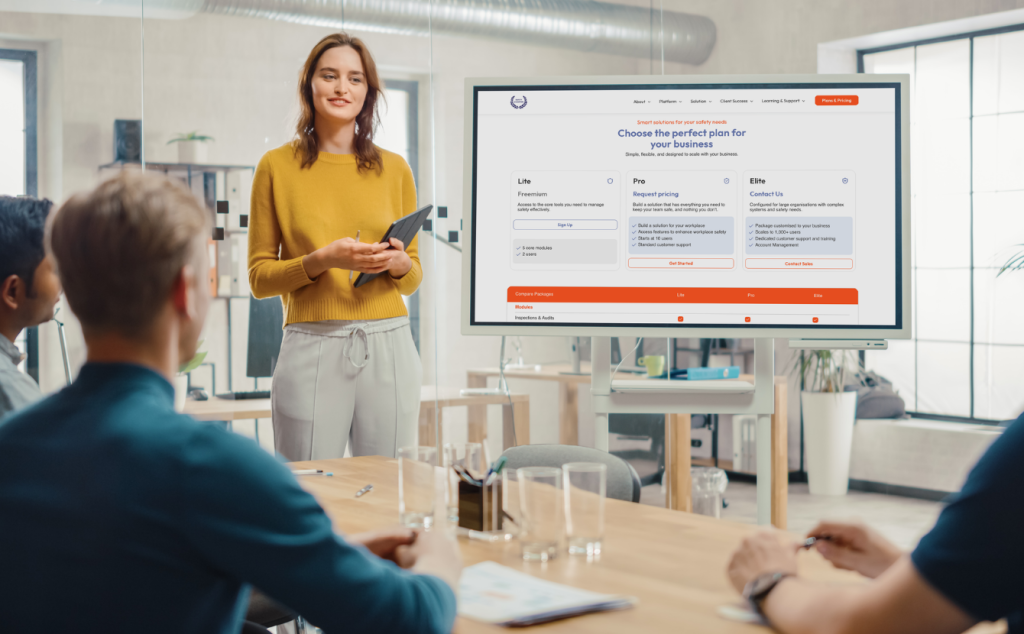
A executive board member presenting options and comparing OHS Software
Guide

Comparing OHS Software Packages: Features and Benefits

In today’s fast-paced business environment, ensuring workplace safety and compliance with occupational health and safety (OHS) regulations is more critical than ever. As organisations strive to achieve operational excellence and sustainable growth, many are turning to digital safety management programs to streamline their safety processes and enhance overall safety performance.

In this blog post, we’ll compare various OHS software packages, exploring their features and benefits to help you make an informed decision for your organisation.

The Evolution of Safety Management Systems

Traditionally, safety management relied heavily on paper-based systems, manual spreadsheets, and fragmented tools. However, the digital revolution has transformed safety management processes, introducing comprehensive safety software solutions that offer a wide range of features designed to simplify and improve safety practices.

Key Features of Modern OHS Software

  1. Risk Management and Assessment: Modern OHS software packages typically include robust risk management tools. These enable users to conduct thorough risk assessments, identify potential hazards, and implement effective control measures. By digitalising the risk register, organisations can easily track and manage risks across various departments and locations.
  2. Incident Management and Reporting: Efficient incident management is crucial for maintaining a safe workplace. OHS software often includes modules for reporting incidents, near-misses, and hazards. These digital tools allow employees to report incidents quickly using mobile devices, enabling management teams to track incident progress and take prompt corrective actions.
  3. Contractor Management: Many organisations work with contractors, making contractor management an essential aspect of overall safety management. OHS software can help streamline contractor onboarding, ensure compliance with safety protocols, and manage contractor-related safety documents.
  4. Document Management: Centralising safety-related information is a key benefit of OHS software. These platforms often include document management features, allowing organisations to store, organise, and easily access safety data sheets, safety procedures, and other critical safety documents.
  5. Employee Training and Competency Management: Ensuring employees are properly trained is vital for maintaining a safe work environment. Many OHS software packages include tools for managing employee training records, scheduling refresher courses, and tracking competencies.
  6. Workflow Management Tools: Automated workflows can significantly improve efficiency in safety management processes. OHS software often includes customisable workflow management tools that help streamline processes such as incident investigations, corrective actions, and safety inspections.
  7. Mobile devices in the workplace: With the increasing use of mobile devices in the workplace, many OHS software solutions offer mobile apps that allow users to access safety information, report incidents, and conduct inspections on the go.
  8. Reporting and Analytics: Comprehensive reporting tools are essential for tracking safety performance and identifying areas for improvement. OHS software typically includes features for generating safety reports, analysing trends, and creating dashboards for easy visualisation of key safety metrics.

Benefits of Implementing OHS Software

There are many benefits to implementing a safety management system in the workplace:

1. Enhanced Compliance

By centralising safety data and automating various safety processes, OHS software helps organisations ensure compliance with safety regulations and standards. This can significantly reduce the risk of non-compliance penalties and improve overall safety performance.

2. Improved Efficiency

Replacing paper forms with digital data capture and automated workflows can dramatically streamline safety processes. This leads to significant time savings and allows safety professionals to focus on more strategic initiatives rather than administrative tasks.

3. Better Decision Making

With access to real-time safety data and analytics, management teams can make more informed decisions about safety initiatives and resource allocation. This data-driven approach can lead to more effective risk management and injury prevention strategies.

4. Increased Employee Engagement

User-friendly OHS software can encourage greater employee participation in safety activities. By making it easier to report hazards, incidents, and near-misses, organisations can foster a culture of safety and proactive risk management.

5. Cost Savings

While implementing OHS software requires an initial financial commitment, the long-term benefits often result in significant cost savings. By reducing workplace injuries, improving efficiency, and minimising the risk of regulatory fines, organisations can see a substantial return on investment.

Choosing the Right OHS Software

When comparing OHS software packages, consider the following factors:

  1. Scalability: Ensure the software can grow with your organisation and adapt to changing needs.
  2. Integration: Look for solutions that can integrate with your existing systems, such as HR or operations management platforms.
  3. Customisation: Choose software that allows you to tailor features and workflows to your specific safety management processes.
  4. User-Friendliness: Opt for intuitive interfaces that require minimal training, encouraging widespread adoption across your organisation.
  5. Support and Training: Consider the level of support and training offered by the software provider to ensure successful implementation and ongoing use.

Contact Safety Champion Today

Ready to revolutionise your safety management processes? Safety Champion Software offers a cutting-edge, user-friendly solution designed to meet the diverse needs of modern organisations. Our comprehensive platform includes all the key features discussed in this article, from risk management and incident reporting to document management and mobile accessibility.

Don’t let outdated safety management tools hold your organisation back. Contact Safety Champion Software today to schedule a personalised demo and discover how our innovative OHS software can help you achieve new heights in workplace safety and operational excellence.

Insights

Compliance and Reporting With OHS Software Integration

Discover how OHS software integration revolutionises workplace safety, streamlines compliance, and enhances reporting for improved safety performance.

In today’s rapidly evolving business landscape, ensuring workplace safety and compliance with occupational health and safety (OHS) regulations is more critical than ever. As organisations strive to create secure workplaces and promote employee well-being, the integration of OHS software has emerged as a game-changer. Let’s explore how OHS software integration transforms compliance and reporting practices, ultimately leading to improved safety performance and overall business success.

The Evolution of Safety Management Systems

Traditionally, many organisations relied on a paper-based approach to manage their OHS programs. This often involved manually handling documents, spreadsheets, and physical safety templates. While these methods served their purpose, they were prone to human error, data inaccuracies, and inefficiencies in managing health and safety risks.

The advent of digital OHS management systems has revolutionised how businesses approach workplace safety. These comprehensive safety solutions offer a holistic approach to managing OHS policies, procedures, and compliance needs. By leveraging advanced tools and technologies, organisations can now streamline their safety activities, from risk assessments to incident reporting and management.

Key Components of an Integrated OHS Software Solution

A solid safety management system forms the foundation of any effective OHS software solution. By integrating various components, these systems provide a comprehensive framework for managing workplace safety.

1. Risk Management and Assessment

One of the primary functions of OHS management software is to facilitate effective risk management. The software enables safety professionals to:

  • Identify and assess potential hazards
  • Conduct thorough risk assessments
  • Implement appropriate control measures
  • Monitor and review the effectiveness of safety practices

By centralising this information, organisations can proactively manage risks and reduce workplace injuries.

2. Incident Reporting and Management

Integrated OHS software simplifies the process of incident reporting and management. It allows for:

  • Quick and easy submission of incident reports
  • Automated notifications to relevant stakeholders
  • Efficient tracking of corrective actions
  • Analysis of incident data to identify trends and areas for improvement

This streamlined approach ensures that organisations can respond promptly to workplace incidents and take necessary steps to prevent future occurrences.

3. Compliance Management

Staying compliant with ever-changing safety regulations can be challenging. OHS software helps organisations:

  • Keep track of regulatory requirements and changes
  • Manage and update OHS policies and procedures
  • Conduct regular compliance audits
  • Generate comprehensive compliance reports

By automating these processes, businesses can ensure continuous improvement in their safety practices and maintain a strong culture of compliance.

4. Training and Certification Management

Effective occupational health and safety programs require ongoing training and education. OHS software facilitates:

  • Scheduling and tracking of safety training sessions
  • Management of employee certifications and qualifications
  • Automated reminders for refresher courses and recertifications
  • Reporting on training completion rates and effectiveness

This ensures that all employees receive the necessary safety training to perform their jobs safely and effectively.

5. Document Control and Management

Centralising safety-related documents is crucial for maintaining an efficient OHS system. Integrated software solutions offer:

  • Secure storage and easy retrieval of safety documents
  • Version control and document revision tracking
  • Automated distribution of updated policies and procedures
  • Integration with existing systems for seamless information flow

This centralised approach eliminates the need for multiple spreadsheets and ensures that all stakeholders have access to the most up-to-date safety information.

The Benefits of OHS Software Integration

Enhanced Compliance and Reporting

By integrating OHS software into their operations, organisations can significantly improve their compliance efforts. The software ensures that all safety activities are properly documented, tracked, and reported. This not only helps in meeting regulatory requirements but also provides valuable insights for continuous improvement.

Improved Data Accuracy and Analysis

Unlike manual processes, OHS software minimises the risk of human error in data entry and management. It provides real-time data and analytics, allowing safety professionals to make informed decisions based on accurate and up-to-date information. This data-driven approach leads to more effective safety strategies and better resource allocation.

Increased Operational Efficiency

Automating routine tasks and streamlining processes through OHS software integration leads to significant time savings and increased operational efficiency. Safety professionals can focus on more strategic activities, such as developing proactive safety measures and fostering a culture of safety within the organisation.

Better Risk Management

With comprehensive risk assessment tools and real-time monitoring capabilities, OHS software enables organisations to identify and mitigate potential hazards more effectively. This proactive approach to risk management helps in reducing workplace injuries and creating a safer work environment.

Enhanced Employee Engagement

Many OHS software solutions offer user-friendly interfaces and mobile accessibility, making it easier for employees to participate in safety activities. Features like online inductions, easy incident reporting, and access to safety information empower employees to take an active role in maintaining workplace safety.

Tailoring OHS Software to Your Organisation’s Unique Requirements

While off-the-shelf OHS software solutions offer numerous benefits, it’s essential to choose a system that aligns with your organisation’s specific needs. Consider factors such as:

  • The size and nature of your business
  • Industry-specific safety regulations and common hazards
  • Integration capabilities with existing management systems
  • Scalability to accommodate future growth and changing compliance needs

By selecting flexible and customisable OHS management software, you can ensure that it meets your organisation’s unique requirements and supports your safety objectives effectively.

Contact Safety Champion Today

Take control of your workplace safety today with Safety Champion. Our comprehensive OHS management software streamlines compliance, simplifies reporting and empowers your team to create a safer work environment. Don’t let outdated systems put your employees at risk.

Sign up for a free demo and see how Safety Champion can transform your safety practices. Contact us to start your journey towards a safer, more efficient workplace. Your employees’ well-being is too important to wait – choose Safety Champion and make safety your competitive advantage.

Insights

Best Practices For Maintaining OHS Records in Compliance

At Safety Champion Software, we understand that managing occupational health and safety (OHS) records is crucial for small businesses in Australia. Proper storage and management of these records not only ensure compliance with safety legislation but also contribute to a safer workplace. Let’s explore why secure storage of OHS records is essential and how you can implement effective record-keeping practices in your small business.

The Importance of Secure OHS Record Storage

The importance of secure OHS record storage in ensuring a safe and compliant workplace cannot be overstated. Records relating to workplace health, including risk assessments and incident reports, are crucial for maintaining transparency and accountability.

Health and safety representatives play a vital role in monitoring these records to identify potential hazards and enforce WHS record-keeping requirements. Proper management and secure storage of these documents not only support regulatory compliance but also contribute to the overall well-being of employees by facilitating effective health and safety interventions.

Legal Compliance

Secure storage of records relating to workplace health and safety is not just good practice; it’s a legal requirement under Australian regulations such as the Work Health and Safety Act 2011 (WHS Act). Failure to maintain records and comply with WHS record-keeping requirements can result in significant penalties for your business.

Risk Management

Properly stored OHS records provide valuable insights into your workplace’s safety performance. They help identify hazards, assess the effectiveness of control measures to control risks and inform future safety policies, ultimately reducing the risk of incidents and injuries.

Efficient Incident Response

In the event of a workplace incident, having quick access to relevant OHS records can be crucial. These records can provide vital information for emergency responders and help streamline any subsequent investigations.

Key OHS Records to Secure

Small businesses should focus on securely storing the following types of records:

Implementing Secure Storage Practices

Implementing secure storage practices involves utilising advanced encryption and access control measures to protect sensitive workplace health records from unauthorised access and breaches. Regular audits and updates to storage protocols ensure compliance with WHS record-keeping requirements and enhance the overall security of organisational data.

Digital v. Physical Storage

While traditional paper-based systems can work for some businesses, electronic records offer several advantages:

  • Easy accessibility and searchability
  • Enhanced security features for sensitive information
  • Reduced physical storage space requirements
  • Improved backup and disaster recovery capabilities

Cloud-Based Solutions

Cloud-based OHS management systems, like Safety Champion Software, provide a secure way to store your safety records. These solutions offer:

Access Control

Implement strict access controls to ensure that only authorised personnel can view, edit, or delete OHS records. This helps maintain the integrity of safety information and protects workers’ personal information.

Regular Backups

Whether you’re using digital or physical storage, regular backups are essential. For digital systems, automated backups should be scheduled frequently. Physical records should be duplicated and stored in a separate, secure storage area.

Retention Periods For OHS Records

Different types of OHS records have varying minimum retention periods under Australian legislation. Here are some general guidelines:

  • Incident reports: At least 5 years from the date of the incident
  • Health monitoring records: At least 30 years
  • Training records: Duration of employment plus 7 years
  • Risk assessments: Until they are superseded or the relevant activity ceases

Always consult the specific regulations applicable to your industry for precise retention requirements. For further advice, you may refer to resources such as the Public Record Office Victoria or relevant disposal authorities for your state.

Investing in Secure OHS Record Storage

By implementing secure storage practices for your OHS records, you’re not just ticking a compliance box. You’re investing in the safety and well-being of your workers, protecting your business from potential legal issues, and building a strong foundation for a positive safety culture.

Our team is here to assist you in determining the best record-keeping practices for your business. We can help you set up systems to maintain records of all safety-related activities, from handling hazardous chemicals to conducting risk assessments.

Choose Safety Champion Software to simplify your OHS record management and take your small business’s safety practices to the next level. Contact us today to learn more about how we can help you securely manage your OHS records and create a safer workplace for all.

Insights

Secure Storage of OHS Records

At Safety Champion Software, we understand that managing occupational health and safety (OHS) records is crucial for small businesses in Australia. Proper storage and management of these records not only ensure compliance with safety legislation but also contribute to a safer workplace. Let’s explore why secure storage of OHS records is essential and how you can implement effective record-keeping practices in your small business.

The Importance of Secure OHS Record Storage

The importance of secure OHS record storage in ensuring a safe and compliant workplace cannot be overstated. Records relating to workplace health, including risk assessments and incident reports, are crucial for maintaining transparency and accountability.

Health and safety representatives play a vital role in monitoring these records to identify potential hazards and enforce WHS record-keeping requirements. Proper management and secure storage of these documents not only support regulatory compliance but also contribute to the overall well-being of employees by facilitating effective health and safety interventions.

Legal Compliance

Secure storage of records relating to workplace health and safety is not just good practice; it’s a legal requirement under Australian regulations such as the Work Health and Safety Act 2011 (WHS Act). Failure to maintain records and comply with WHS record-keeping requirements can result in significant penalties for your business.

Risk Management

Properly stored OHS records provide valuable insights into your workplace’s safety performance. They help identify hazards, assess the effectiveness of control measures to control risks and inform future safety policies, ultimately reducing the risk of incidents and injuries.

Efficient Incident Response

In the event of a workplace incident, having quick access to relevant OHS records can be crucial. These records can provide vital information for emergency responders and help streamline any subsequent investigations.

Key OHS Records to Secure

Small businesses should focus on securely storing the following types of records:

Implementing Secure Storage Practices

Implementing secure storage practices involves utilising advanced encryption and access control measures to protect sensitive workplace health records from unauthorised access and breaches. Regular audits and updates to storage protocols ensure compliance with WHS record-keeping requirements and enhance the overall security of organisational data.

Digital v. Physical Storage

While traditional paper-based systems can work for some businesses, electronic records offer several advantages:

  • Easy accessibility and searchability
  • Enhanced security features for sensitive information
  • Reduced physical storage space requirements
  • Improved backup and disaster recovery capabilities

Cloud-Based Solutions

Cloud-based OHS management systems, like Safety Champion Software, provide a secure way to store your safety records. These solutions offer:

Access Control

Implement strict access controls to ensure that only authorised personnel can view, edit, or delete OHS records. This helps maintain the integrity of safety information and protects workers’ personal information.

Regular Backups

Whether you’re using digital or physical storage, regular backups are essential. For digital systems, automated backups should be scheduled frequently. Physical records should be duplicated and stored in a separate, secure storage area.

Retention Periods For OHS Records

Different types of OHS records have varying minimum retention periods under Australian legislation. Here are some general guidelines:

  • Incident reports: At least 5 years from the date of the incident
  • Health monitoring records: At least 30 years
  • Training records: Duration of employment plus 7 years
  • Risk assessments: Until they are superseded or the relevant activity ceases

Always consult the specific regulations applicable to your industry for precise retention requirements. For further advice, you may refer to resources such as the Public Record Office Victoria or relevant disposal authorities for your state.

Investing in Secure OHS Record Storage

By implementing secure storage practices for your OHS records, you’re not just ticking a compliance box. You’re investing in the safety and well-being of your workers, protecting your business from potential legal issues, and building a strong foundation for a positive safety culture.

Our team is here to assist you in determining the best record-keeping practices for your business. We can help you set up systems to maintain records of all safety-related activities, from handling hazardous chemicals to conducting risk assessments.

Choose Safety Champion Software to simplify your OHS record management and take your small business’s safety practices to the next level. Contact us today to learn more about how we can help you securely manage your OHS records and create a safer workplace for all.

Scroll to Top

Sales Enquiry

Clayton Scott
Sales Manager

Let's talk about safety
in your business.

“If you’re looking for a partner who understands the safety landscape and can help you implement scalable, compliant, and practical solutions, let’s start a conversation. I’d love to hear about what you’re working on and how we can help.”

Contact Us